Stage of Change, 2025 – Cooperations / Luxembourg Scénography en collaboration avec Orla Kelly
Stage of Change est un projet théâtral collaboratif, initié en partenariat avec le Jugendbureau de Coopérations à Wiltz (Luxembourg). Le projet aborde le phénomène complexe du harcèlement non pas comme un récit figé, mais comme un processus ouvert de négociation collective.
Au cœur du projet se trouve un travail artistique mené avec des jeunes, dont les expériences, les perspectives et les modes d’expression constituent la trame dramaturgique. Développée en étroite collaboration avec des personnes en situation de handicap mental et en dialogue avec les jeunes participant·e·s, la scénographie se déploie sous une forme plurielle. Elle ne se conçoit pas comme un décor statique, mais comme une structure évolutive rendant perceptibles les dynamiques sociales dans l’espace.
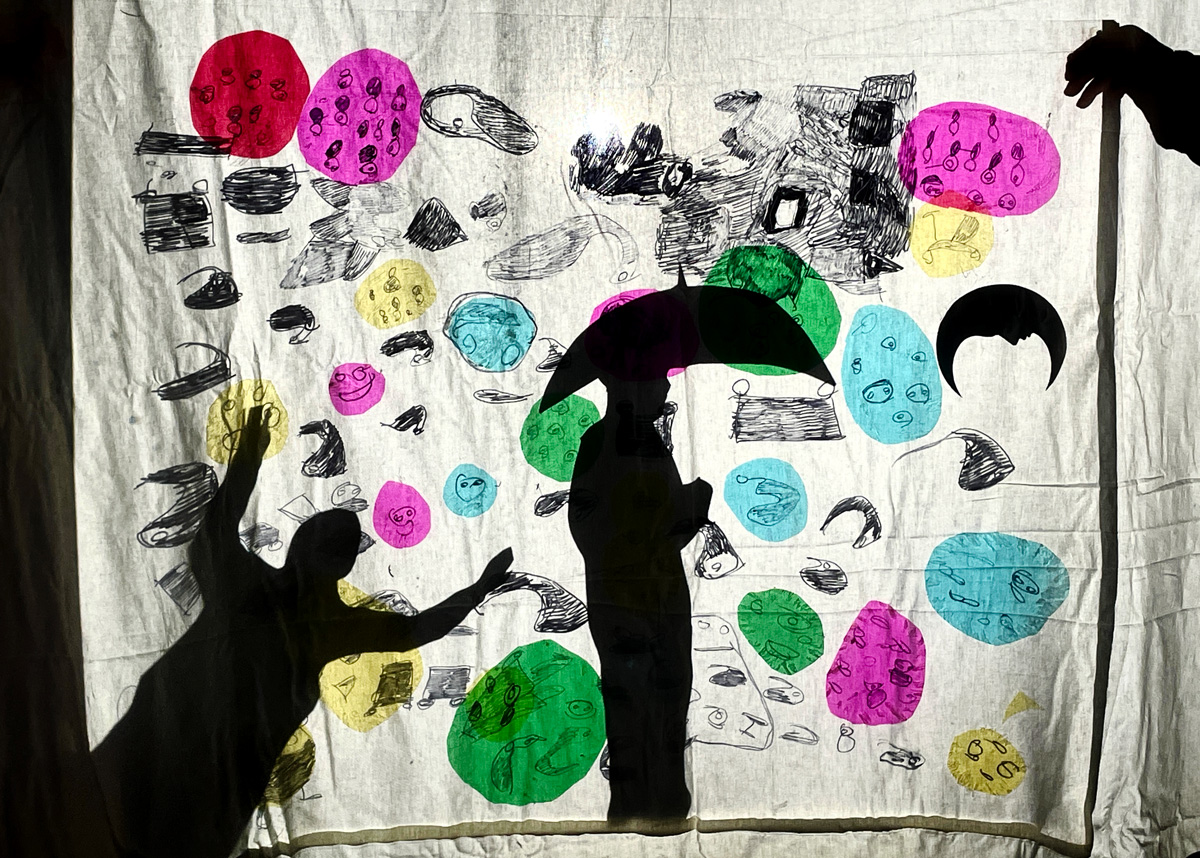
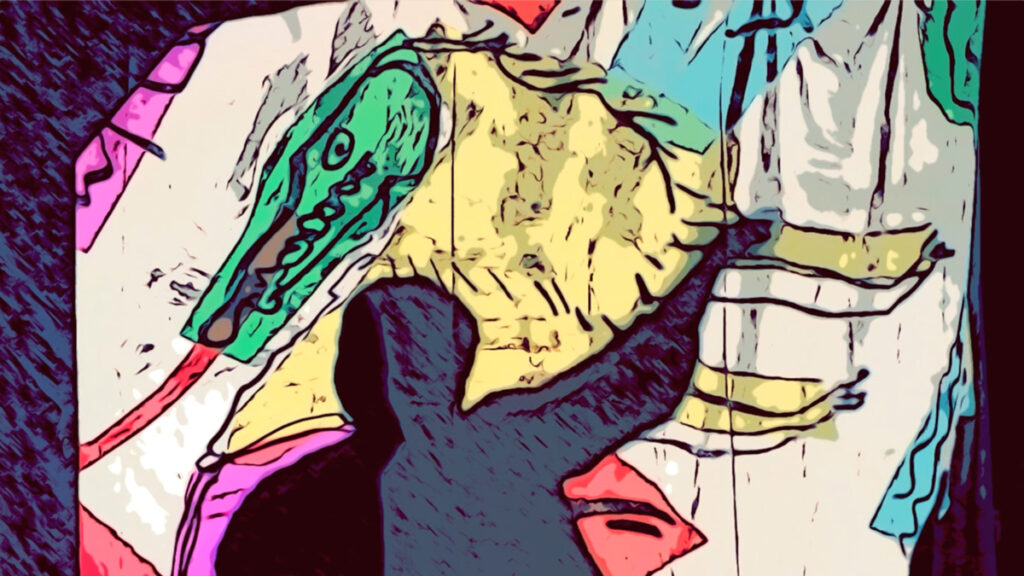
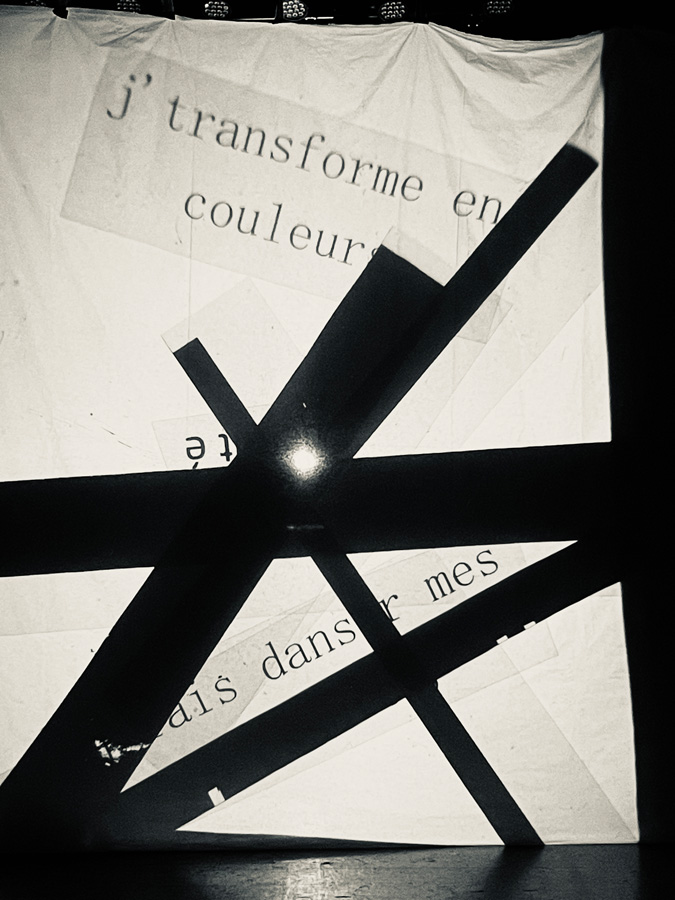
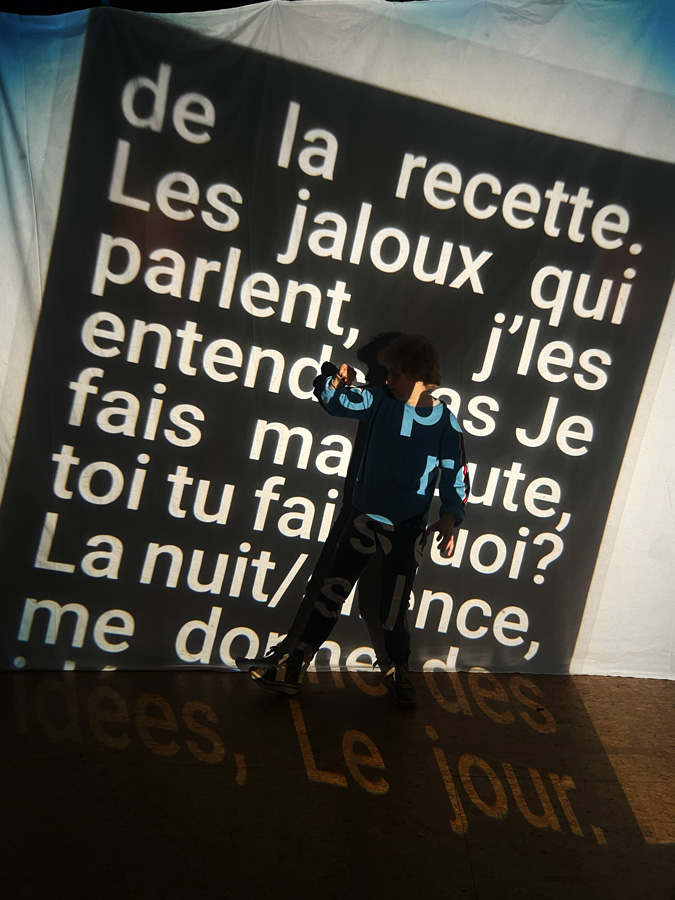
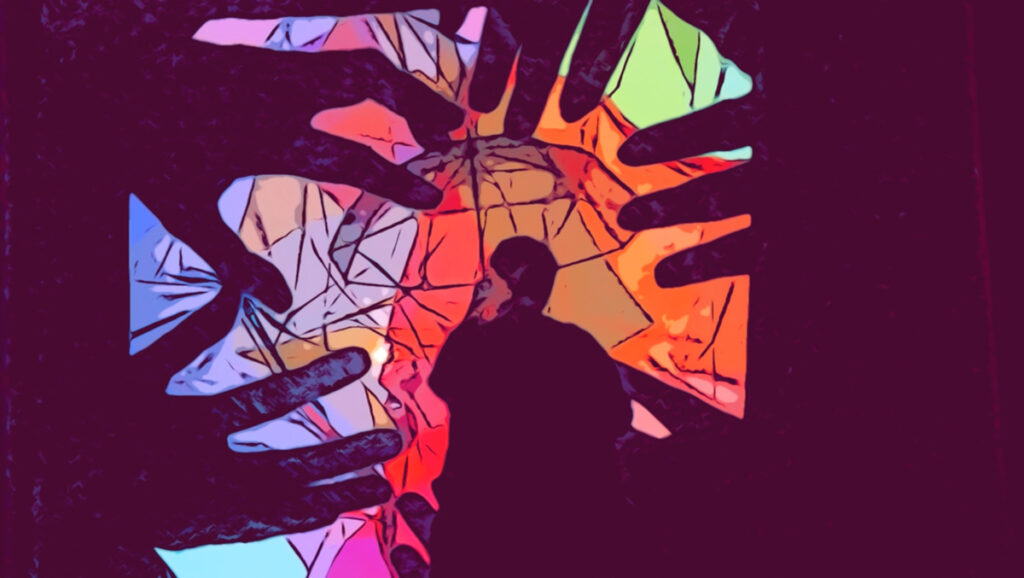
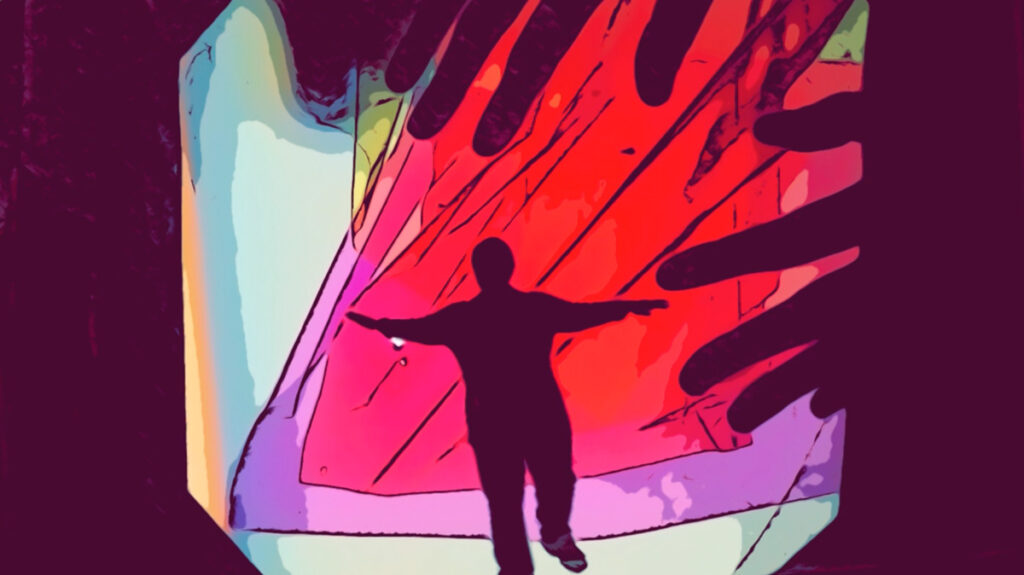
Des collages et des dessins réalisés par les participant·e·s ont été intégrés sous forme de projections, combinés à un jeu d’ombres performatif. Cette superposition d’images analogiques et numériques produit une polyphonie visuelle, à la fois présente comme élément vidéographique dans l’espace scénique et activée en direct lors de certaines séquences.
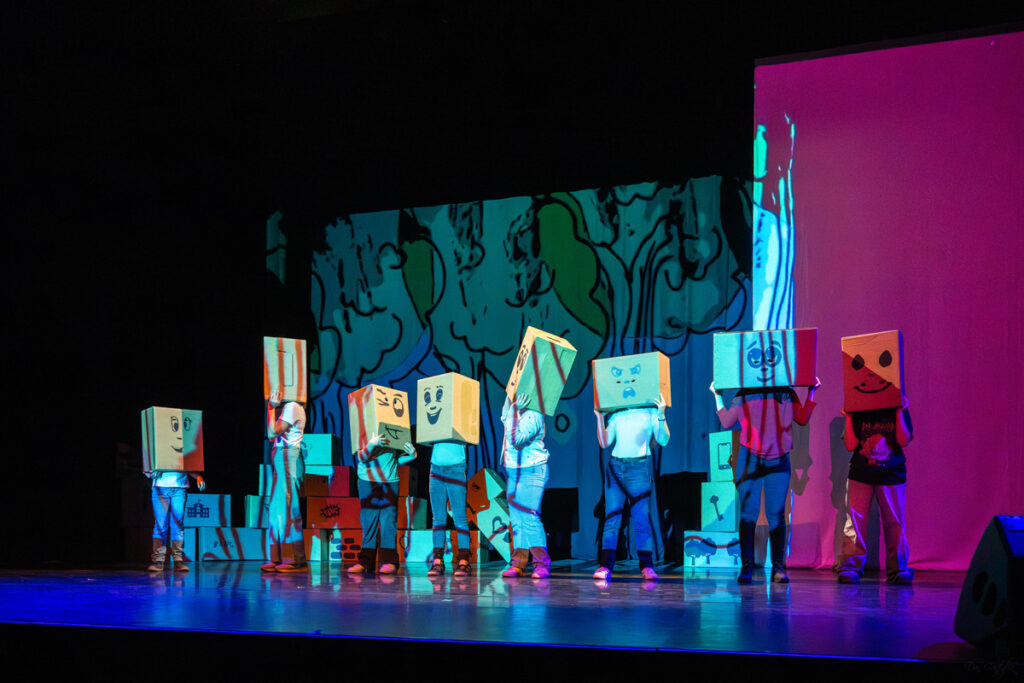
Un système modulaire en carton constitue le médium central de la scénographie. Sa transformabilité permet la création de différents espaces thématiques, allant d’espaces de protection fragiles à des configurations scéniques plus confrontantes. La matérialité du carton renvoie à la fois à la précarité et au potentiel : une structure provisoire et mutable qui reflète l’instabilité des relations sociales tout en suggérant la possibilité de leur transformation.
english version
Stage of Change is a collaborative theatre project initiated in partnership with the Jugendbureau de Coopérations in Wiltz (Luxembourg). The project addresses the complex phenomenon of bullying not as a fixed narrative, but as an open process of collective negotiation.
At the heart of the project lies artistic work carried out with young people, whose experiences, perspectives, and modes of expression form the dramaturgical framework. Developed in close collaboration with people with intellectual disabilities and in dialogue with the participating youths, the scenography unfolds in a plural form. It is not conceived as a static set, but as an evolving structure that makes social dynamics perceptible within space.
Collages and drawings created by the participants have been integrated as projections, combined with performative shadow play. This layering of analogue and digital imagery produces a visual polyphony, simultaneously present as a video-based element within the stage space and activated live during certain sequences.
A modular cardboard system constitutes the central medium of the scenography. Its transformability enables the creation of different thematic spaces, ranging from fragile protective environments to more confrontational stage configurations. The materiality of cardboard evokes both precarity and potential: a temporary and mutable structure that reflects the instability of social relations while suggesting the possibility of their transformation.